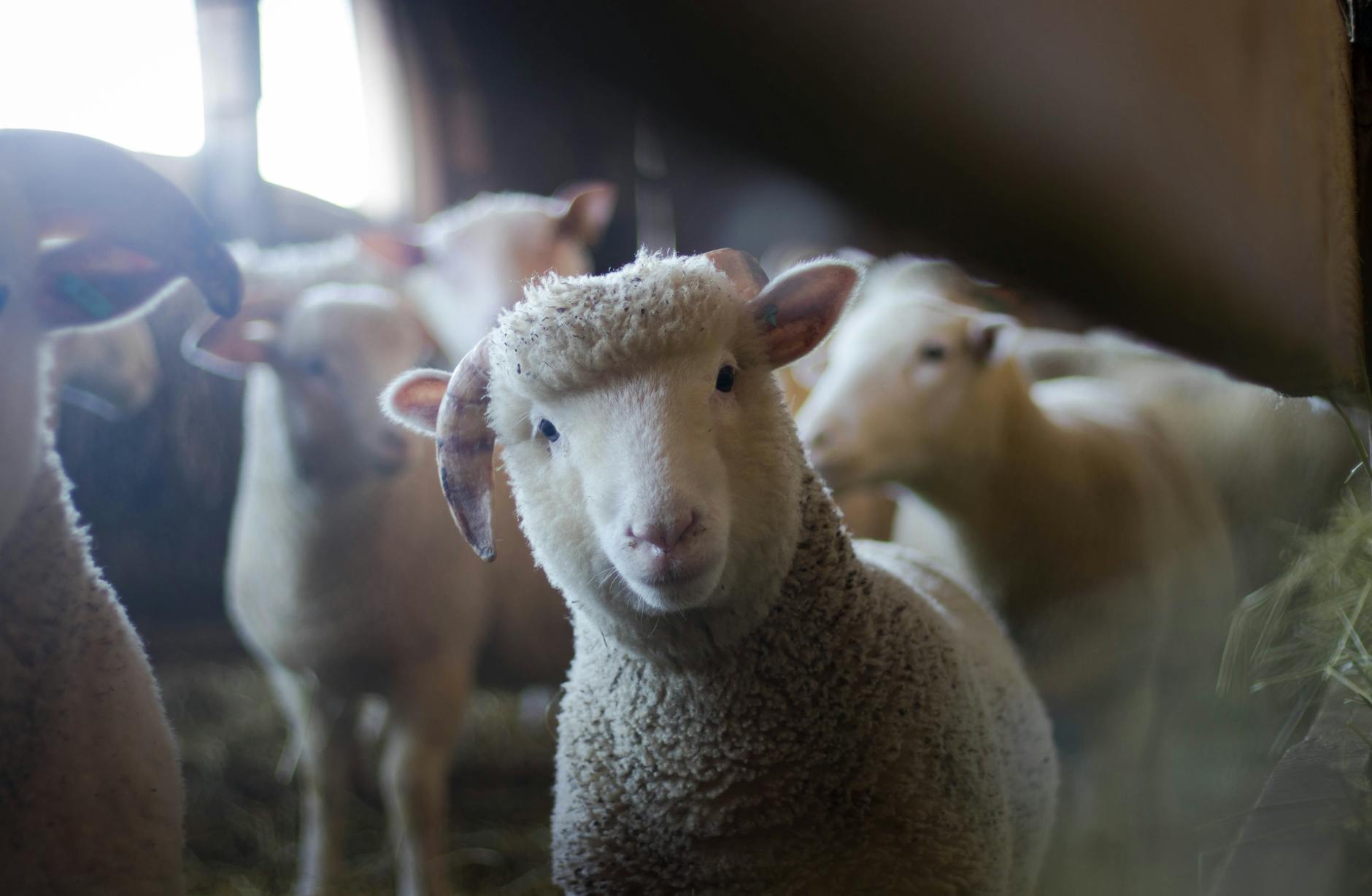
Essential Nutrition Tips for Healthy Pregnant Goats
Discover how optimal nutrition supports healthy pregnancies in goats, ensuring strong kids and vibrant mothers for your herd's success.
Optimal Nutrition for Pregnant Goats
Introduction
I remember the first time I was called to help with a pregnant goat on a small farm. The owner was worried that she wasn't eating well and seemed lethargic. As I examined her, I realized that the key to a healthy pregnancy often starts with proper nutrition. This experience highlighted for me just how vital it is to focus on the dietary needs of pregnant goats, a lesson I’ve carried with me throughout my years as a veterinarian and breeder.
In my experience working with various goat breeds, I’ve seen the remarkable difference that optimal nutrition can make not just for the pregnant doe but also for the kids she carries. Ensuring that your goat receives the right nutrients during her pregnancy is crucial for her health and the health of her offspring. This topic matters because, as goat owners, we have a responsibility to provide the best care possible, ensuring that both mother and kids thrive.

Key Facts You Should Know
Understanding the nutritional needs of pregnant goats is essential for their health and the successful rearing of kids. Here are several key facts to keep in mind:
One of the most important stages of goat pregnancy occurs in the last six weeks, a period known as the "pre-kidding" phase. During this time, nutritional requirements increase significantly, and does should receive more energy-dense diets. According to a 2023 study from Cornell University, inadequate nutrition during this crucial period can lead to lower birth weights and complications during delivery.
The average gestation period for goats is approximately 150 days, but this can vary slightly based on breed and individual health. Keeping track of the due date can help you prepare the necessary care and nutrition adjustments in advance.
A high-quality mineral supplement is essential for pregnant goats. Research indicates that deficiencies in minerals such as calcium, phosphorus, and magnesium can lead to complications like milk fever and pregnancy toxemia. Providing a balanced mineral mix can help mitigate these risks.
Water intake is as crucial as food. Pregnant goats require plenty of fresh, clean water, especially during the last trimester. Studies have shown that dehydration can affect milk production and the overall health of both the mother and the kids.
The body condition score (BCS) of your pregnant doe is another critical factor to monitor. A BCS of 3 to 3.5 (on a scale of 1 to 5) is ideal for pregnant goats. Does that are too thin or overweight may face complications during pregnancy and delivery.
Lastly, it’s vital to avoid sudden diet changes. Gradually introducing new feed or supplements can prevent digestive upsets and ensure your goat adapts well to any dietary shifts.

Understanding Nutritional Needs
The Importance of Energy-Dense Diets
In my experience, one of the most common mistakes goat owners make is underestimating the energy requirements of pregnant does. During the last six weeks of gestation, the developing fetuses require significant nutritional support. I’ve found that switching to a higher-quality hay and adding grains can be beneficial during this period.
Research from veterinary journals suggests that pregnant goats may need anywhere from 1.5% to 3% of their body weight in total feed. This means that if you have a 150-pound doe, she should consume approximately 2.25 to 4.5 pounds of feed daily. It’s crucial to adjust her diet based on her body condition and the number of kids she’s carrying.
Protein Requirements
Protein is another vital aspect of a pregnant goat’s diet. A study published in the Journal of Animal Science found that pregnant does require about 16% to 18% crude protein in their diet during late gestation. This level supports fetal development, milk production, and overall health.
In practice, I often recommend incorporating high-protein forages, such as alfalfa hay, along with a commercial goat feed formulated for pregnant and lactating does. I've seen firsthand how this can lead to healthier kids with better growth rates post-birth.
Minerals and Vitamins Matter
It’s not just about calories; vitamins and minerals play a significant role in the health of pregnant goats. Adequate levels of calcium and phosphorus are essential for bone development in the kids. According to veterinary experts at the University of Kentucky, a balanced mineral supplement should include both macro and micro-minerals, particularly during the last trimester.
I always emphasize the importance of a good mineral block, as it allows goats to self-regulate their intake. Additionally, vitamin E and selenium are important for reproductive success and can help prevent white muscle disease in kids.
Practical Tips from Experience
-
Start adjusting your doe's diet about 6 weeks before her due date, gradually increasing energy and protein levels to support fetal growth.
-
Monitor her body condition score weekly. If she’s losing weight, consider increasing her feed gradually to avoid digestive issues.
-
Offer free-choice minerals that are specifically designed for pregnant and lactating goats to ensure they are getting the necessary micronutrients.
-
Always provide fresh, clean water. A good rule of thumb is that a pregnant goat needs about 2 to 3 gallons of water daily.
-
Keep a close eye on her behavior and appetite. Any significant changes could indicate nutritional deficiencies or health issues.
-
If you’re introducing a new type of feed, do so gradually over a week to prevent digestive upset. I’ve seen abrupt changes lead to bloat or other gastrointestinal problems.
-
Consider providing additional energy sources, such as oats or corn, particularly in the last month of gestation.
-
Lastly, ensure that your does have ample access to pasture or high-quality hay, which should make up the majority of their diet.
Common Questions I Get Asked
What should I feed my pregnant goat?
The best diet includes high-quality hay, grains, and a balanced mineral supplement. Focus on energy-dense feeds as the pregnancy progresses, especially during the last six weeks.
How can I tell if my goat is getting enough nutrition?
Monitor her body condition score and overall demeanor. If she appears lethargic or is losing weight, it may be time to adjust her diet.
Is it okay to feed my goat treats?
Yes, but moderation is key! Fresh fruits and vegetables can be great, but avoid high-sugar or starchy foods.
When should I start preparing for kidding?
Start preparations about two weeks before the due date. This includes setting up a clean, quiet kidding area and having essential supplies on hand.
How often should I check on my pregnant goat?
During late pregnancy, it’s wise to check on her at least twice a day to monitor her health and behavior.
Warning Signs and When to Call Your Vet
While the majority of goat pregnancies go smoothly, it’s essential to be vigilant for warning signs that could indicate trouble. Here are several red flags:
-
Severe Lethargy: If your goat is unusually tired or unwilling to move, it could indicate a serious issue.
-
Loss of Appetite: A sudden drop in food intake can be concerning, especially as she should be eating more.
-
Abnormal Discharge: Any unusual discharge from the vulva, particularly if it’s bloody or has a foul odor, warrants immediate veterinary attention.
-
Bloating: Significant bloating can indicate digestive distress, which can be life-threatening.
-
Difficulty Kidding: If your goat is in labor for more than an hour without producing a kid, it's time to call your vet.
-
Excessive Aggression or Restlessness: Changes in behavior can indicate discomfort or distress.
-
Signs of Milk Fever: Look for weakness, tremors, or a wobbly gait – these can be signs of calcium deficiency.
If you notice any of these signs, don’t hesitate to consult your veterinarian. Prevention and early intervention can make a significant difference in the outcome.
Conclusion
Caring for a pregnant goat is a rewarding yet challenging responsibility. With the right nutritional support and attention to detail, you can ensure a healthy pregnancy and successful kidding. I encourage all goat owners to use a gestation calculator to keep track of their doe’s progress and plan accordingly.
Remember, every goat is unique, and what works for one may not work for another. Don’t hesitate to reach out to a veterinarian or experienced breeder for guidance tailored to your specific situation. Providing optimal nutrition is not just a science; it’s a vital part of nurturing life.
While I hope this article has been helpful, always keep in mind that veterinary advice can vary based on individual circumstances. Your dedication to your goats will undoubtedly lead to happier, healthier animals and a thriving farm!